 Free Shipping
 Made In USA

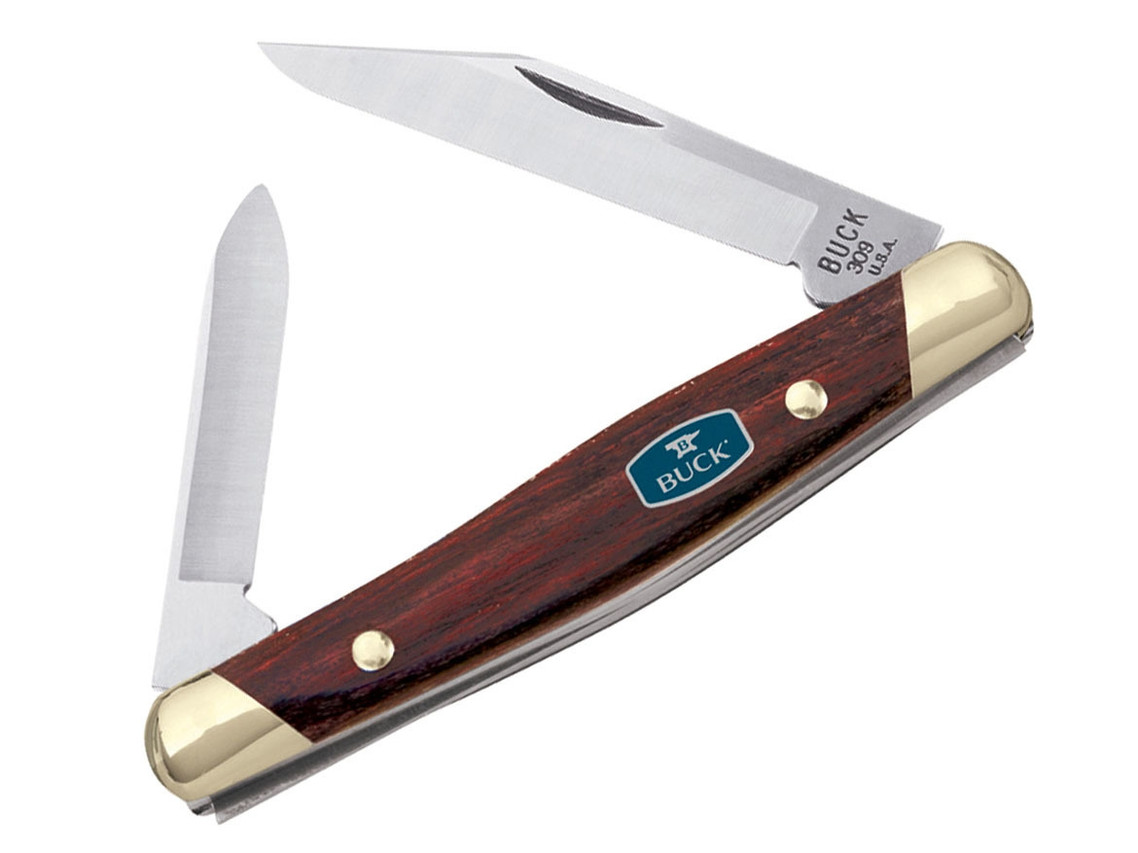
Traditional knives are the slip joints and lockbacks that filled American pockets long before thumb studs and bearing pivots. Case knives and Great Eastern Cutlery anchor this collection alongside Boker, Griffin, Jack Wolf, LionSteel, and Tactile Knife Company. What separates a traditional from a modern folder is architecture, not age: no detent, usually no lock, and a backspring under tension doing the work.
Pattern names describe blade layout and handle shape, and most trace to a trade. The stockman carries clip, sheepsfoot, and spey blades for ranch work, the trapper pairs a clip and spey from the same end for skinning, and the barlow's long bolster survives a farm pocket. The sodbuster strips it to one blade and no bolsters, while peanuts and pen knives shrink for dress carry. Our guide to traditional pocket knife patterns breaks down every configuration.
Slip joint quality lives in the spring. Walk and talk describes how the blade travels through the half stop and the sound it makes seating closed. A well fit knife snaps shut cleanly and shows a spring flush with the liners at open, half, and closed. A light pull suits a desk knife and a heavy pull suits someone who wants no chance of a blade folding on a knuckle, and both should be free of side to side play.
Traditional makers run carbon steels like 1095 alongside stainless, and the split is functional. Carbon takes a keen edge and comes back on a strop in seconds, but it patinas and will rust if pocketed wet, while stainless holds its looks and asks less. Handles follow the same logic, with jigged bone, stag, wood, and Micarta trading looks against grip. Keep any edge honest with our knife sharpening supplies.
A new generation is reworking the classics with modern steels and precision fit, from Griffin's 1946 X and LionSteel's barlows to Jack Wolf's slip joints, the CIVIVI Slippy, and GiantMouse's ACE Farley. When the search widens past traditionals, browse our folding knives and fixed blade knives.
Free Shipping Made In USA