 Free Shipping
 Made In USA

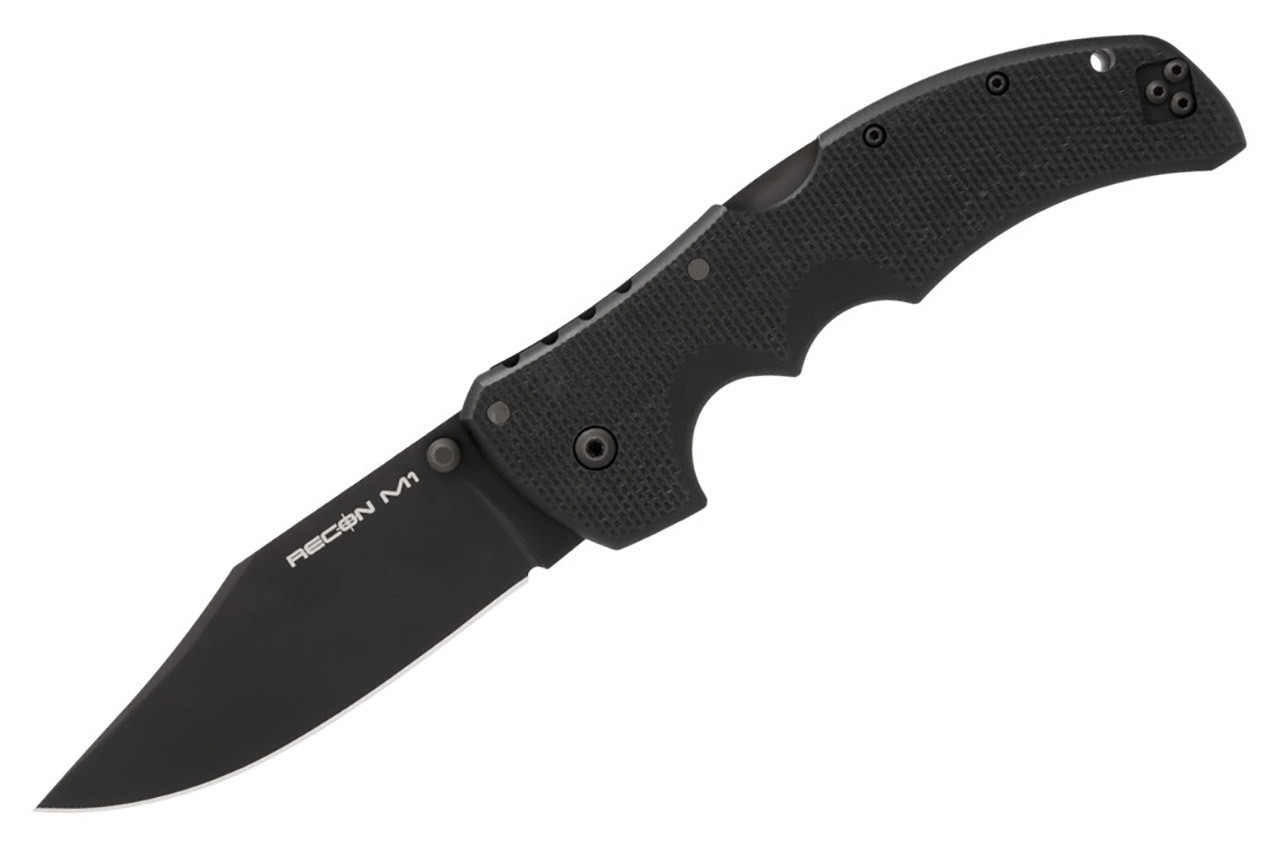
The Tri-Ad Lock changed what folders could do. Before Andrew Demko and Lynn Thompson developed this mechanism, folding knives had a hard ceiling—push them too hard and the lock fails, the blade closes, and you're looking at a trip to the emergency room. The Tri-Ad removed that ceiling.
The mechanism looks like a standard back lock at first glance, but three key differences make it vastly stronger. First, a hardened steel stop pin sits between the blade tang and the lock bar, redistributing force away from the lock face during spine impacts and hard use. Second, the lock bar engages a crescent-shaped cutout on the blade tang rather than a flat surface, creating a mechanical interlock that resists both positive pressure (pushing down on the spine) and negative pressure (prying up on the edge). Third—and this is the innovation that makes Tri-Ad unique—the rocker arm pin hole is slightly oversized, allowing the lock bar to seat deeper as the mechanism wears.
That last detail matters more than it sounds. Most locks wear loose over time. The Tri-Ad wears tighter. The more you use it, the more secure it becomes.
Cold Steel has documented Tri-Ad equipped folders supporting over 800 pounds of hanging weight, surviving spine whacks that would blow out liner locks instantly, and handling lateral stress that would snap the lock bars on conventional mechanisms. The testing videos aren't marketing exaggeration—they're demonstrations of what happens when you engineer a folder to perform like a fixed blade.
You'll find the Tri-Ad Lock on Cold Steel's most demanding designs: the Recon 1, American Lawman, AD-10, Spartan, Espada, and dozens of other models built for users who need absolute confidence that their blade stays locked open.
Free Shipping Made In USA