 Free Shipping
 Made In USA

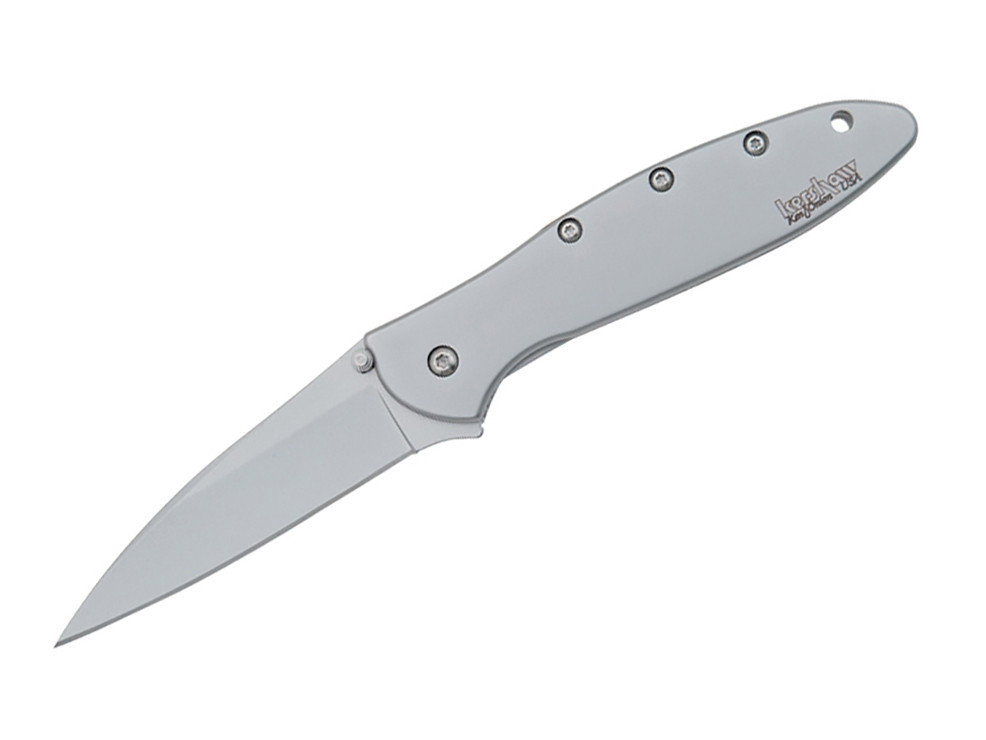
Assisted opening knives use an internal torsion bar or spring to finish blade deployment once you start it, snapping the blade to full lockup from a thumb stud or flipper tab. Often called spring assisted knives, they deliver the speed of an automatic with one key difference: you provide the opening force first, and the mechanism only takes over partway through the arc.
At rest, the mechanism holds the blade closed with a bias toward the handle. Press the flipper or thumb stud and, once the blade travels far enough, the torsion bar switches from resisting the motion to driving it, accelerating the edge into the lock. That manual start is what separates a spring assisted knife from an automatic, where a button releases a blade sitting under constant spring tension. If push button deployment is what you actually want, our automatic knives collection covers true autos and OTFs.
In most of the United States, yes. The 2009 amendment to the Federal Switchblade Act specifically excludes knives with a bias toward closure from the switchblade definition, and the majority of states treat assisted openers like any other folding knife. A handful of states and cities write their own rules, so the local ordinance is worth a quick read, but assisted knives remain the fastest option available almost everywhere automatics are restricted.
Kershaw built the category around SpeedSafe, the torsion bar system Ken Onion developed, and it runs across their lineup from budget friendly EDC to premium flippers. Zero Tolerance applies the same SpeedSafe engineering to overbuilt designs with titanium frames and premium blade steels. SOG takes its own route with SOG Assisted Technology across tactical and utility folders, and Böker rounds out the case with assisted options running from traditional patterns to modern tactical builds.
Free Shipping Made In USA