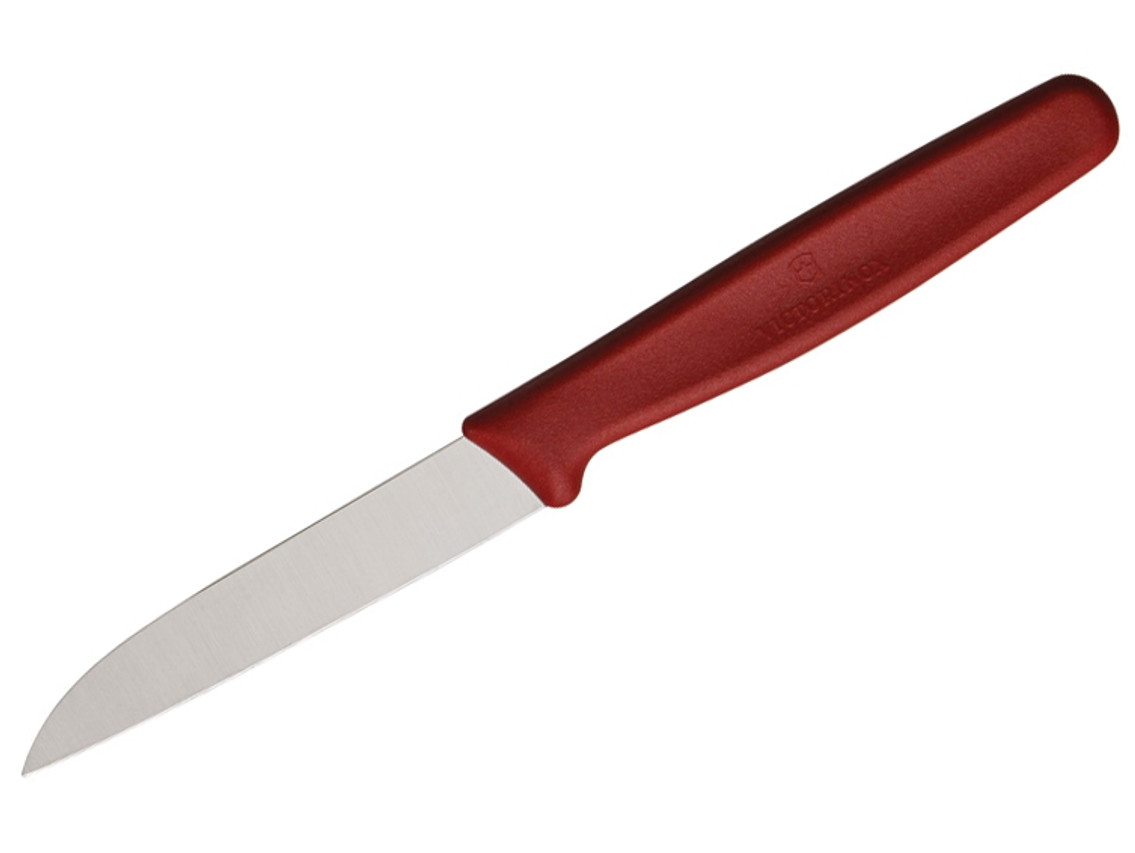
Professional Paring Knives for Precision Kitchen Work
The paring knife remains the primary tool for detailed kitchen prep in commercial and home kitchens. At DLT Trading, we stock paring knives from established manufacturers such as Microtech, Victorinox, Spyderco, Bradford, and Shun. These knives usually measure three to four inches in blade length, offering the control needed for tasks that require more accuracy than chef's knives.
Understanding Paring Knife Design and Function
A paring knife's effectiveness depends on design elements that set it apart from other kitchen knives. The blade must be thin enough for clean cuts through delicate ingredients, yet have enough spine thickness to prevent flexing. Most quality paring knives have blade thicknesses between 0.059 and 0.090 inches at the spine, tapering to thin edges for minimal cutting resistance.
Handle design impacts control and fatigue during long prep sessions. The transition from blade to handle determines hand positioning and affects precision for in-hand work like peeling or trimming. Traditional designs use full tangs for durability, while modern injection-molded handles offer excellent grip and hygiene at lower prices. The overall weight, usually 1.7 to 4.25 ounces, influences knife performance for different tasks.
Steel Selection and Performance Characteristics
Modern paring knives utilize various steel formulations, each offering specific performance characteristics. Victorinox employs their proprietary martensitic stainless steel, similar to X55CrMo14 with approximately 0.52% carbon and 15% chromium. This steel reaches 56 HRC hardness, providing adequate edge retention while remaining simple to sharpen with basic equipment. The moderate hardness prevents chipping during typical kitchen use and allows for quick touch-ups with a honing steel.
Microtech's kitchen knives use Böhler M390MK steel, a powder metallurgy stainless steel developed for industrial applications needing extreme wear resistance. Its high vanadium carbide content keeps edges sharp much longer than conventional kitchen steels. The stonewashed finish adds corrosion resistance and hides minor scratches from use. Microtech heat treats M390MK to optimal hardness for kitchen use, balancing edge retention and toughness.
Bradford Knives offers several steel options for their paring knives. Their AEB-L steel models provide excellent toughness and take very sharp edges thanks to the fine carbide structure. AEB-L, originally developed for razor blades, reaches 61 HRC in Bradford's heat treatment while keeping enough toughness for kitchen use. Bradford also makes paring knives in CPM-MagnaCut and M390 for users who want maximum edge retention or specific performance traits.
Spyderco's MBS-26 steel, used exclusively in their kitchen knives since 1981, represents a proprietary formulation optimized for culinary applications. Ground exceptionally thin and heat treated for optimal cutting geometry, MBS-26 provides reliable performance with straightforward maintenance requirements. The steel's composition allows for easy sharpening while maintaining adequate edge retention for regular kitchen use.
American Manufacturing and Craftsmanship
The resurgence of American knife manufacturing has brought new options to the paring knife market. Microtech, known primarily for their knives, applies their precision manufacturing capabilities to kitchen cutlery. Each knife undergoes the same quality control processes that made Microtech's reputation in the tactical knife world, with tolerances measured in thousandths of an inch.
Bradford Knives, based in Kent, Washington, produces their culinary line with the same attention to detail as their tactical knives. Their paring knives have full flat grinds with distal tapers, creating thin, efficient cutting geometry. The company's experience with handle materials results in kitchen knives with textured G-10, carbon fiber, or stabilized wood scales that maintain grip even when wet.
These American manufacturers bring innovations from tactical and outdoor knives to kitchen use. Advanced handle materials like G-10 and carbon fiber offer durability and hygiene advantages over traditional wood. Modern heat treatment protocols developed for military and law enforcement ensure consistent performance across production runs.
Import Options and Value Considerations
Victorinox represents the standard for commercial kitchen paring knives worldwide. Their Fibrox-handled models dominate professional kitchens due to their combination of functionality, durability, and replacement cost. The stamped blades from high-carbon stainless steel maintain consistent thickness and geometry across millions of units produced. The synthetic handles meet NSF requirements for commercial food service while providing secure grip in wet conditions.
Kershaw's value-oriented paring knives use 8Cr13MoV steel, a stainless steel that provides reasonable edge retention at an accessible price point. While not matching premium steels in performance, 8Cr13MoV responds well to regular maintenance and provides adequate cutting ability for home kitchen use.
Shun's Classic series paring knives showcase traditional Japanese knife-making adapted for Western kitchens. The VG-MAX core steel, clad with 68 layers of Damascus stainless steel, combines aesthetic appeal and function. The cladding helps prevent food adhesion, while the VG-MAX core keeps sharp edges between sharpenings. The D-shaped Pakkawood handles fit various grip styles and resist moisture and bacteria.
Why Buy from DLT Trading
As an authorized dealer for every brand we carry, DLT Trading ensures all knives come with full manufacturer warranties. We maintain direct relationships with Microtech, Spyderco, Victorinox, Bradford, and other manufacturers, allowing us to handle warranty issues efficiently. Our inventory system tracks batch numbers and production dates, ensuring fresh stock rather than knives that have sat in warehouses for extended periods.
We inspect every knife before shipping, checking for proper fit and finish, edge geometry, and handle integrity. Our team understands the specific characteristics of each steel type and can provide guidance on maintenance and sharpening requirements. Unlike marketplace sellers or unauthorized dealers, we guarantee genuine products with valid warranties and proper documentation.
As one of the largest online knife retailers, DLT Trading has purchasing power that leads to competitive pricing on premium products. We keep enough inventory to fulfill orders immediately instead of drop-shipping from distributors. This direct fulfillment ensures proper handling and storage of your knives from manufacturer to delivery.
Selecting the Right Paring Knife
Choosing a paring knife depends on use, maintenance preferences, and budget. Professional cooks often prefer simple, reliable designs like Victorinox that withstand commercial dishwashers and rough handling. Home enthusiasts may choose premium steels that hold edges longer between sharpenings, accepting the tradeoff of more careful maintenance.
Consider your primary cutting tasks when selecting blade length. The 3.25-inch blades provide maximum control for intricate work, while 4-inch versions offer more versatility for both hand and board work. Serrated edges excel at specific tasks but cannot be sharpened with standard equipment, making them supplementary rather than primary paring knives for most users.
Handle material affects comfort and maintenance. Synthetic handles tolerate dishwashers and harsh sanitizers, while wood or G-10 handles may need hand washing but offer better grip and aesthetics. Weight distribution affects comfort during long use, with some users preferring the heft of titanium bolsters and others favoring ultralight designs.
Maintenance and Edge Care
Proper maintenance extends paring knife performance. Most stainless steels benefit from regular honing to realign edges between sharpenings. Carbon content and carbide structure determine sharpening frequency, with simpler steels like Victorinox's responding well to ceramic rods or basic whetstones.
Premium steels like M390MK or VG-MAX may require diamond stones or specialized sharpening equipment to restore edges properly. The tradeoff for extended edge retention is increased difficulty in sharpening, though many users find the reduced maintenance frequency worthwhile. Professional sharpening services can restore factory edges on premium steels if home sharpening proves challenging.
Storage methods affect edge longevity and safety. Magnetic strips, blade guards, or knife blocks prevent edge damage from drawer storage. Avoiding glass or stone cutting boards preserves edges longer. Even premium steels can be damaged by use on frozen foods or bones, which are better handled by heavier knives.