 Free Shipping
 Made In USA

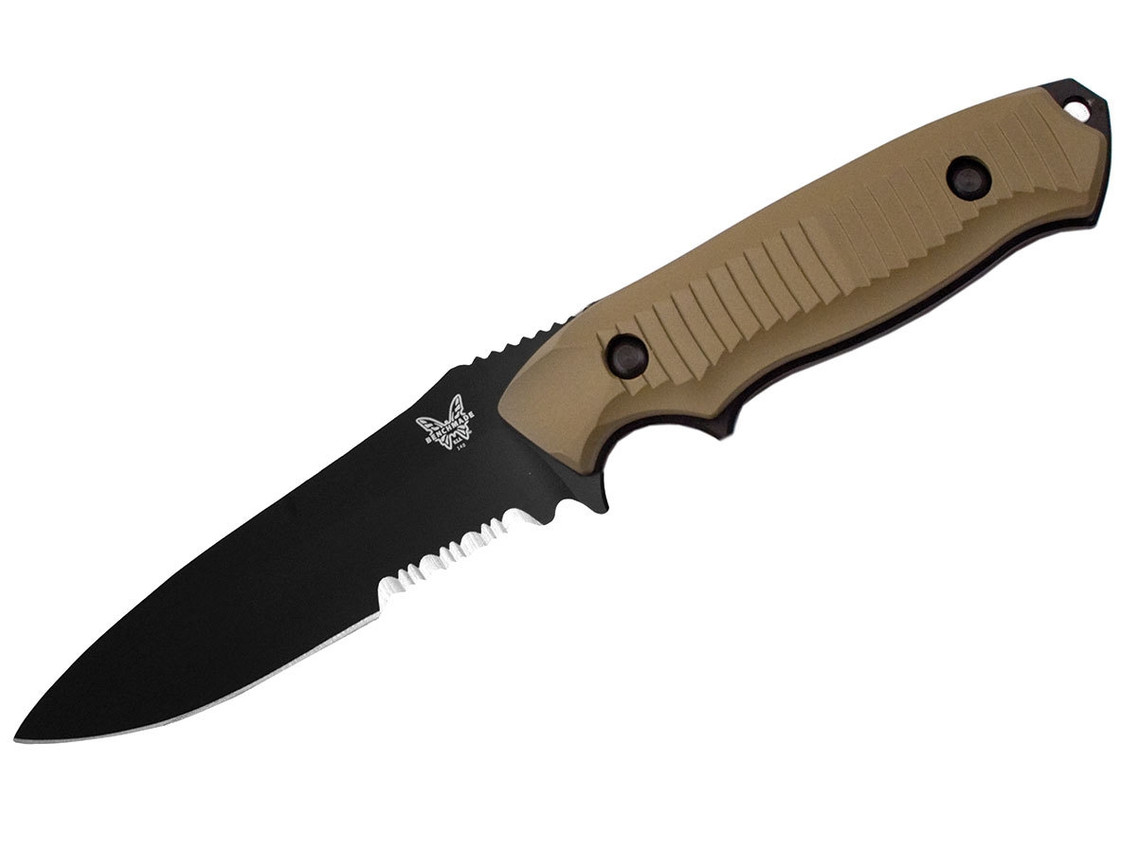
Tactical knives are the corner of the case where deployment speed, lock strength, and retention stop being features and start being the point. This collection is anchored by the deepest Microtech tactical bench anywhere outside the factory, from Socom folders to full size OTFs, backed by RMJ Tactical tomahawks and combat fixed blades built for duty carry and hard use.
A tactical knife is built to work under stress: one handed deployment that happens identically every time, a lock that holds under load, grip texture that stays put wet, corrosion proof furniture, and finishes that stay subdued. The category came out of law enforcement and military duty carry, where a knife is a rescue tool, a utility blade, and a last resort in one package, and the same overbuild is why hard use EDC carriers adopted it.
The Microtech Socom is the folder that defined the modern tactical knife in the nineties and still leads the category, running M390 and premium steels with manual and automatic actions. Beside it sit the OTF knives that made Microtech a household name, the Ultratech, UTX-70, and UTX-85, plus the Dirac and the dive-ready Amphibian, most available with a tanto blade option for tip strength. The LUDT covers the side opening automatic end with a design that traces straight back to military contract work.
When the job outgrows a folder, the fixed blades here answer. The Microtech TAC-P is a pocketable defensive spike, the Socom Alpha translates the flagship folder into a full tang combat knife, and RMJ Tactical brings the tomahawks and breaching tools Ryan Johnson has put in the hands of deployed US military units for two decades. Military knife heritage runs through the whole wall, and every blade on it is built like the warranty card is a dare.
Microtech earns the anchor spot with over thirty tactical models in the case at any given time, machined in the USA with the tolerances that made the brand a benchmark. RMJ rounds out the heavy end, and the rotation brings limited runs and dealer exclusives through this collection first, which is the practical reason to check it more than once a season.
Free Shipping Made In USA