 Free Shipping
 Made In USA

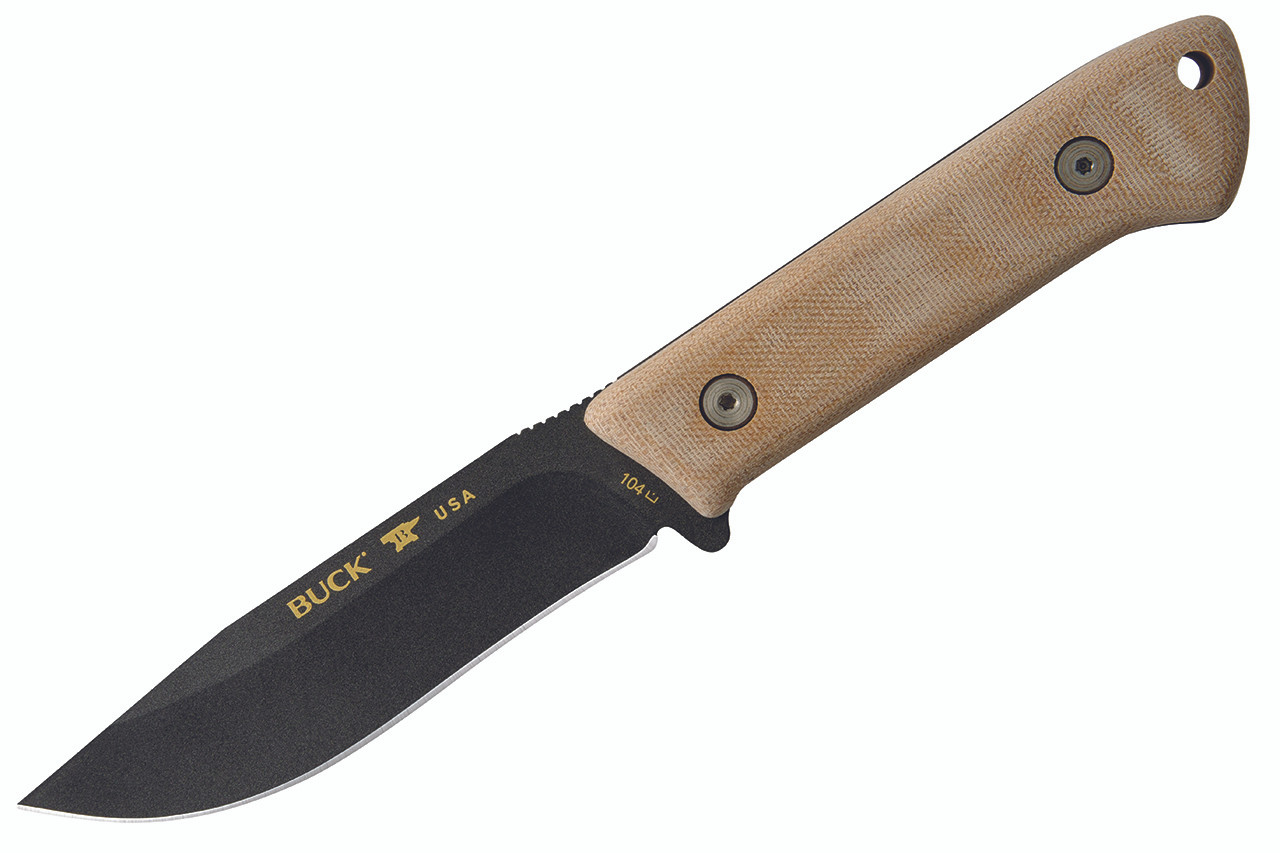
A bushcraft knife is a fixed blade built for making things in the woods rather than getting through a task fast. The pattern is consistent across makers because the work is consistent. Four to five inches of blade, a spine square enough to throw sparks off a ferro rod, a grind that carves controlled curls, and a handle that stays comfortable through an hour of shaping. DLT Trading carries bushcraft knives from Helle, Condor, LT Wright, and Morakniv in carbon and stainless steel.
The scandi grind is the pattern most associated with bushcraft, and for good reason. A single bevel running from the edge to a high shoulder gives a wide flat surface that registers against wood, so the knife tracks where you point it. Feather sticks and notch work get far easier to control. It also sharpens on a flat stone by laying the bevel down, with no angle to guess at. Flat and convex grinds slice better and take more abuse, which is why some makers use them on heavier camp patterns.
A full tang runs the width of the handle and takes hard lateral load, which matters if you baton seasoned rounds. A stick tang narrows into the handle and is the traditional Scandinavian approach across Helle and Nordic patterns. Stick tangs get dismissed as weak, which is wrong when the construction is sound. They carry lighter and warm faster in the hand than exposed steel. Choose by how you work wood, not by what sounds tougher.
Carbon steel takes a keen edge, resharpens quickly in the field, and throws sparks off flint. It also rusts if you sheath it wet. Stainless asks less of you and suits humid country or a knife that goes weeks between attention. Neither is better. Condor works largely in high carbon, while Morakniv offers both across the same patterns. Whichever you carry, keep it sharp with a sharpening setup you can pack.
The categories overlap and marketing blurs them further. A bushcraft knife favors control and fine work. A camp knife runs longer and heavier for chopping. A survival knife prioritizes durability under abuse over refinement. If you build shelters, carve traps, and process tinder, a four inch scandi does more than a nine inch blade will.
Free Shipping Made In USA