 Free Shipping
 Made In USA

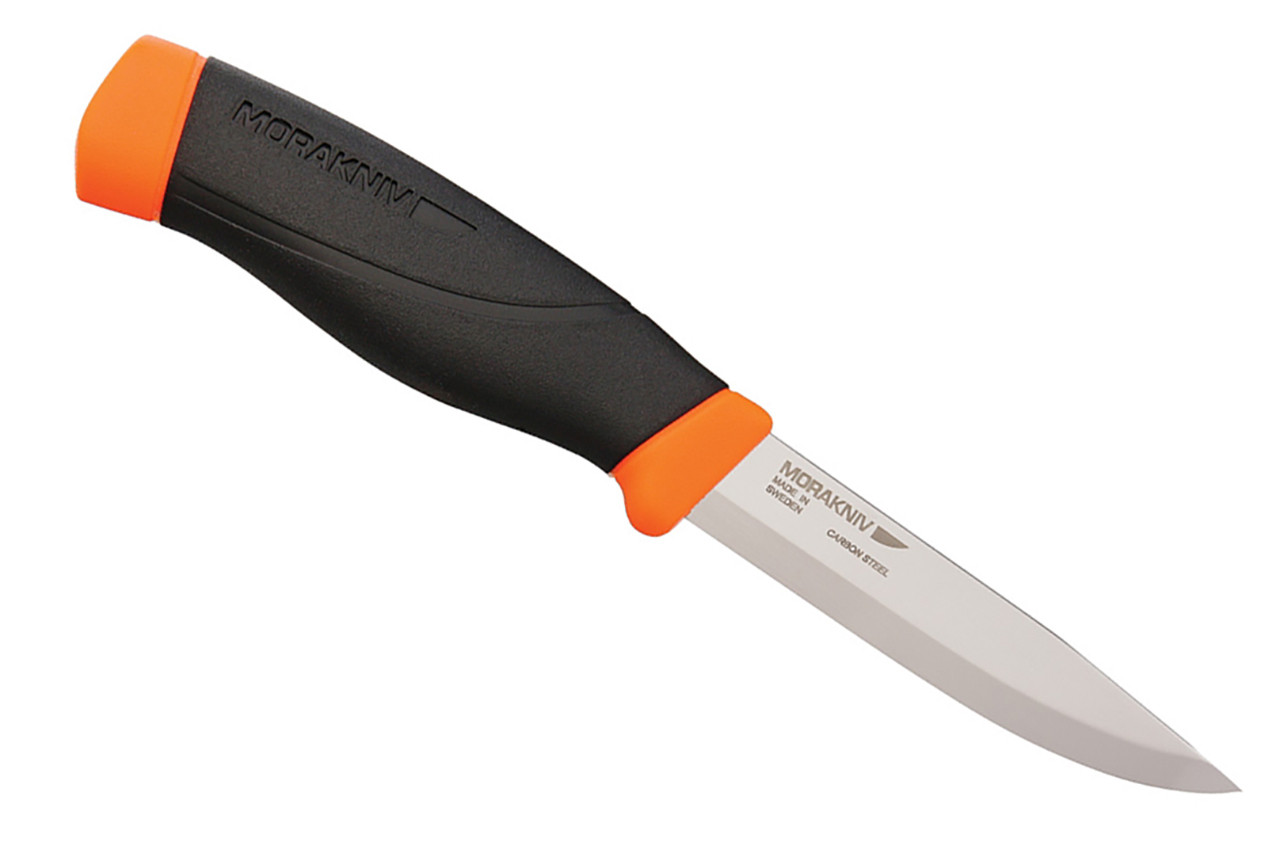
Carbon steel knives trade corrosion resistance for cutting performance, and for a lot of users that is a trade worth making. Without the chromium that makes stainless stainless, carbon steel takes a keener edge, gets there faster on a stone, and dulls predictably instead of suddenly. The selection here runs from bushcraft and survival fixed blades through traditional slipjoints and hard-use tacticals.
1095 is the baseline and still the most widely used simple carbon steel in fixed blades. It is tough, easy to sharpen in the field with basic equipment, and forgiving of hard use, which is why it anchors so much of the ESEE and KA-BAR lineup. 80CrV2 adds vanadium and chromium for a real bump in toughness and edge stability without complicating maintenance, and it has become the default for bushcraft and chopping blades. CPM 3V sits at the top of the toughness scale, engineered to resist chipping and lateral stress in blades that get batoned and pried. O1 and 52100 turn up in custom work where fine grain and a screaming edge matter more than weather resistance. Traditional patterns from Case run their own carbon formulations, prized for how fast a strop brings the edge back. For how every one of these stacks up against the stainless field, our knife steel comparison guide runs the full table.
Carbon steel will discolor, and that is the deal. Cutting acidic food, handling game, or carrying in humid weather builds a gray or blue patina across the flats, and that oxide layer actually slows deeper corrosion. Rust is the problem, not patina. Prevention is simple. Wipe the blade dry after use and keep a light film of oil on the steel between outings. Forced patinas using mustard or vinegar are common and purely cosmetic. Plan on slightly more attention than a stainless blade demands, though most owners find the routine takes seconds.
For woods work and fire prep, look at the bushcraft and survival categories, where 1095 and 80CrV2 dominate for good reason. Hunters processing game will find carbon steel holds a fine slicing edge through a full breakdown, and the hunting knife selection reflects that. Traditional carriers should start in traditional knives, where carbon blades remain a purist favorite. Cooks working with kitchen knives get thinner geometry and better food release than most stainless equivalents. Whatever you land on, a decent stone or strop from sharpening supplies will keep it running the way it was meant to.
Free Shipping Made In USA