
Collections
 Free Shipping
 Made In USA
Case has manufactured pocket knives in Bradford, Pennsylvania, since 1889, when brothers William Russell, Jean, John, and Andrew Case started selling knives from a wagon in upstate New York. Four generations later, the company still operates from the same Bradford facility, producing traditional slip joints and lockback folders through 125 hand-crafted steps per knife. Handle materials include natural bone, genuine stag, mother-of-pearl, and exotic hardwoods paired with brass or nickel bolsters. The tang stamp dating system, marking each knife with the year of manufacture, created the foundation for what's now the world's largest knife-collecting club, with 18,000 members.
Case's Chrome Vanadium steel holds an edge through farm work, ranch tasks, and daily carry while sharpening quickly on basic stones. CV develops a natural patina over time rather than remaining pristine, and many users prefer this character over stainless finishes. For those wanting corrosion resistance, Case offers Tru-Sharp stainless steel on most patterns. Premium models feature 154CM, S30V, or Damascus for collectors seeking modern performance in traditional patterns.
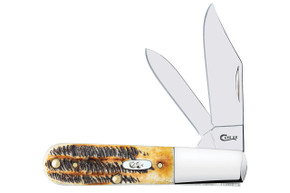
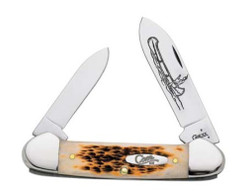
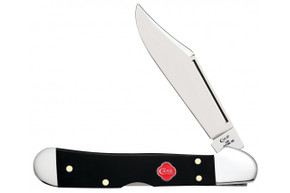
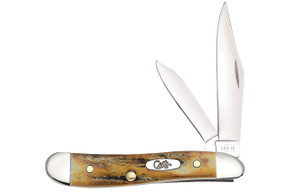
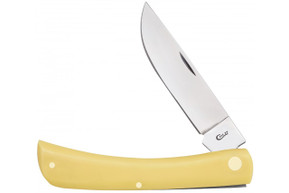
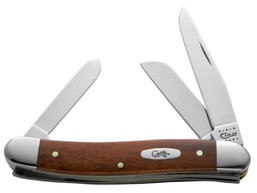
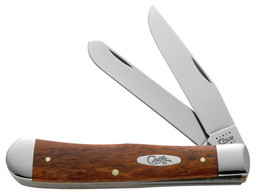
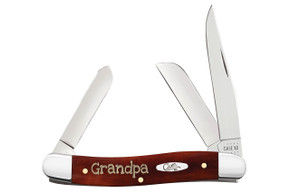
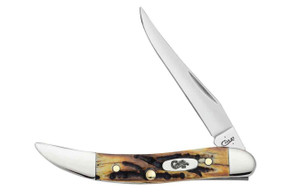
Multi-blade slipjoint patterns include the Trapper (two-blade with clip and spey for general work and game dressing), the Stockman (three blades for ranch and farm tasks), the Canoe (symmetrical two-blade gentleman's carry), and the compact Peanut for shirt-pocket and coin-pocket use. Single-blade work patterns include the Barlow (historic workman's knife often given as a first carry), the Sod Buster (large clip-blade slipjoint built for farm and ranch labor), and the slim Texas Toothpick (long fine-point single blade for whittling and detail work). Locking folders extend the lineup with the Copperlock, RussLock, and Cheetah for users who want positive blade security in traditional styling. Collector-focused designs include the Hobo multi-tool, the Doctor's Knife, and the various commemorative editions Case releases annually.
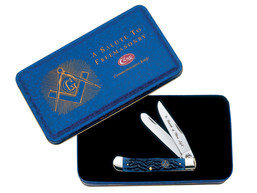
Case knives mark occasions—graduations, retirements, Father's Day—because they're heirlooms rather than disposable tools. The tang stamps date each knife, making them documentable pieces of personal history that many families pass down across generations. Engraving services personalize specific models for milestone gifts, turning standard production knives into named, dated, or dedicated pieces that carry their own provenance alongside the factory tang stamp.
 Free Shipping Made In USA