 Free Shipping
 Made In USA

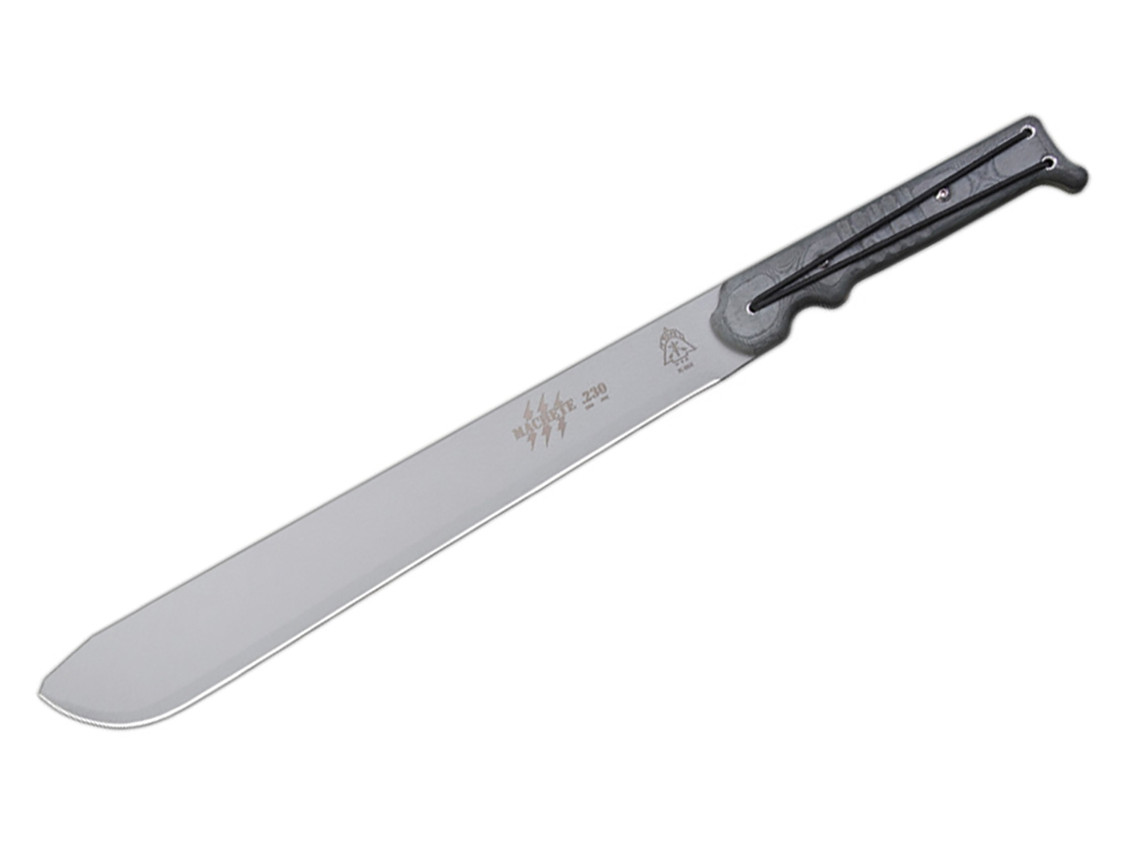
Machetes and kukri knives are the long blades that turn chopping from a chore into a swing, whether you are clearing a shooting lane, opening a trail, or breaking down green wood at camp. This collection pairs Condor's Latin and parang patterns with the ESEE Libertariat and a Nepali made kukri from Heritage Knives.
A machete is a long, thin slicer that wins on light vegetation, where blade speed matters more than mass. A kukri bends the blade forward so the weight lands ahead of your wrist, chopping more like a hatchet while still slicing on the draw. That forward cant made the khukuri the Gurkha's signature blade through two centuries of service. Soft green growth favors the machete, and hardwood and mixed work favor the kukri.
The Heritage Kotli Kukri is the real article, hand forged in Nepal with a 13 inch blade of quarter inch 5160 spring steel, a tough, shock resistant alloy built for chopping, and a traditional leather sheath. For a modern take on the shape, the TOPS Trailhead Kukri leads our TOPS machetes and kukris.
Pattern matters more than length. The Condor El Salvador is a classic 18 inch Latin machete in 1075, light and fast for grass, vines, and brush. The 17 inch Condor Parang carries its weight forward in the Malaysian style for denser growth and camp wood. The ESEE Libertariat covers the compact end with a 9 inch blade and canvas Micarta, sized to ride in a pack beside a bushcraft knife, and the LT Wright Overland Machete adds an American made option.
Every blade here runs simple carbon steel on purpose. A machete edge eventually meets dirt and rock, and carbon steel takes a file touch up in the field, flexes rather than chips, and is easy to bring back. Wipe it dry and oil it after use to keep rust away.
Free Shipping Made In USA