 Free Shipping
 Made In USA

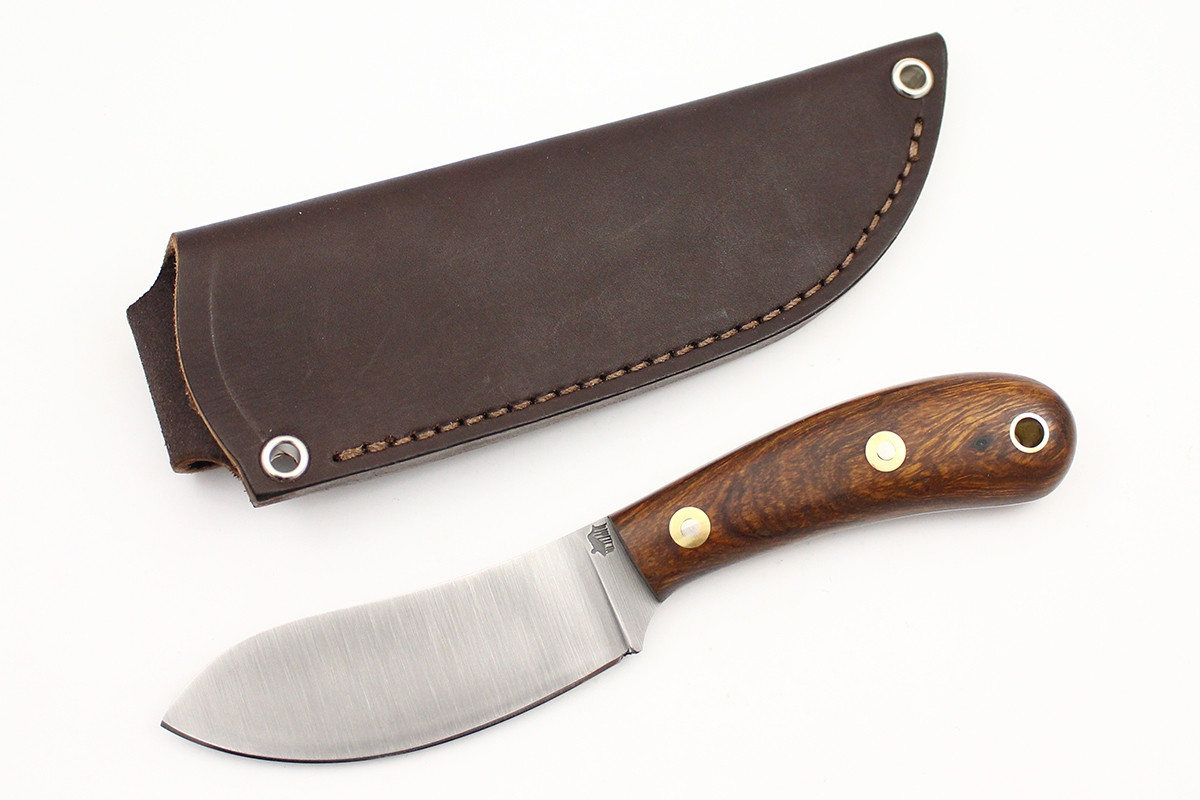
A wood handle knife offers something no polymer manages: warmth in the hand, grain that belongs to that knife alone, and a surface that wears in instead of wearing out. This collection runs from Opinel folders and Buck ebony classics to rosewood Victorinox kitchen blades and 7Forge hunters in desert ironwood and burl.
Opinel has made its simple French folder since 1890, and our lineup runs from the tiny No. 2 to the No. 8 in walnut, red birch, and olive, plus Neo and picnic sets. Buck's 110 Folding Hunter and 112 Ranger pair ebony with brass bolsters in the lockback every other lockback gets compared to, and the Stockman, Trio, Canoe, and Squire carry wood into traditional knives.
Wood works on the trail too. Buck's 191 Zipper and 192 Vanguard wear heritage walnut, and the 7Forge Hawkeye Hunter pairs a CPM MagnaCut blade with desert ironwood, koa, black ash burl, or spalted tamarind. The Condor Parang machete and a hardwood Swiss Army SwissChamp round out the wood handled tools.
In the kitchen, wood earns its keep through hours of prep. Victorinox hangs its professional blades on rosewood, from paring knives and santokus to slicers, for cooks who want a grip that warms with the work, and Opinel's olivewood steak knives bring the same feel to the table. More culinary blades live in our kitchen knives.
Stabilized wood, with resin forced into the grain under vacuum, delivers the look of figured timber with nearly the stability of a synthetic. Among naturals, dense oily woods like ebony and desert ironwood resist moisture on their own, olive and birch trade some toughness for figure, and beech stays light and easy to live with. Wipe with mineral oil now and then and keep it out of the dishwasher. Our guide to knife handle materials compares them all, and figured burls at the premium end live in our Custom Shop.
Free Shipping Made In USA